I’ve always loved the creamy, nutty goodness of homemade peanut butter, and making it myself has been such a rewarding experience. With just a few ingredients and simple steps, you’ll never go back to store-bought!
Peanut Butter Made Easy
Making from scratch is always better! If you’re a regular reader of my blog, you’ll know how much I love creating recipes from scratch.
It’s not just about the satisfaction of making something yourself—it’s about having full control over the ingredients. You can skip unnecessary additives, keep it as healthy as possible, and adjust it to suit your taste.
In my fridge, you’ll often find homemade treats like Blueberry Jam (Without Pectin) and Strawberry Filling for Cakes.
These staples are always ready to enhance breakfasts, desserts, or snacks. I love knowing exactly what’s in them, and they make everything taste better.
The same goes for this homemade peanut butter—it’s one of my favorites.
This peanut butter is incredibly easy to make, and its versatility is what makes it a must-have. You can even skip the sugar and salt, which means you can make it with just two ingredients—peanuts and oil. Amazing, right? It’s as simple and natural as it gets!
Once you make it, you’ll see how superior it is to store-bought versions in both taste and texture. It’s fresh, wholesome, and absolutely delicious—perfect for anyone who loves peanut butter as much as I do!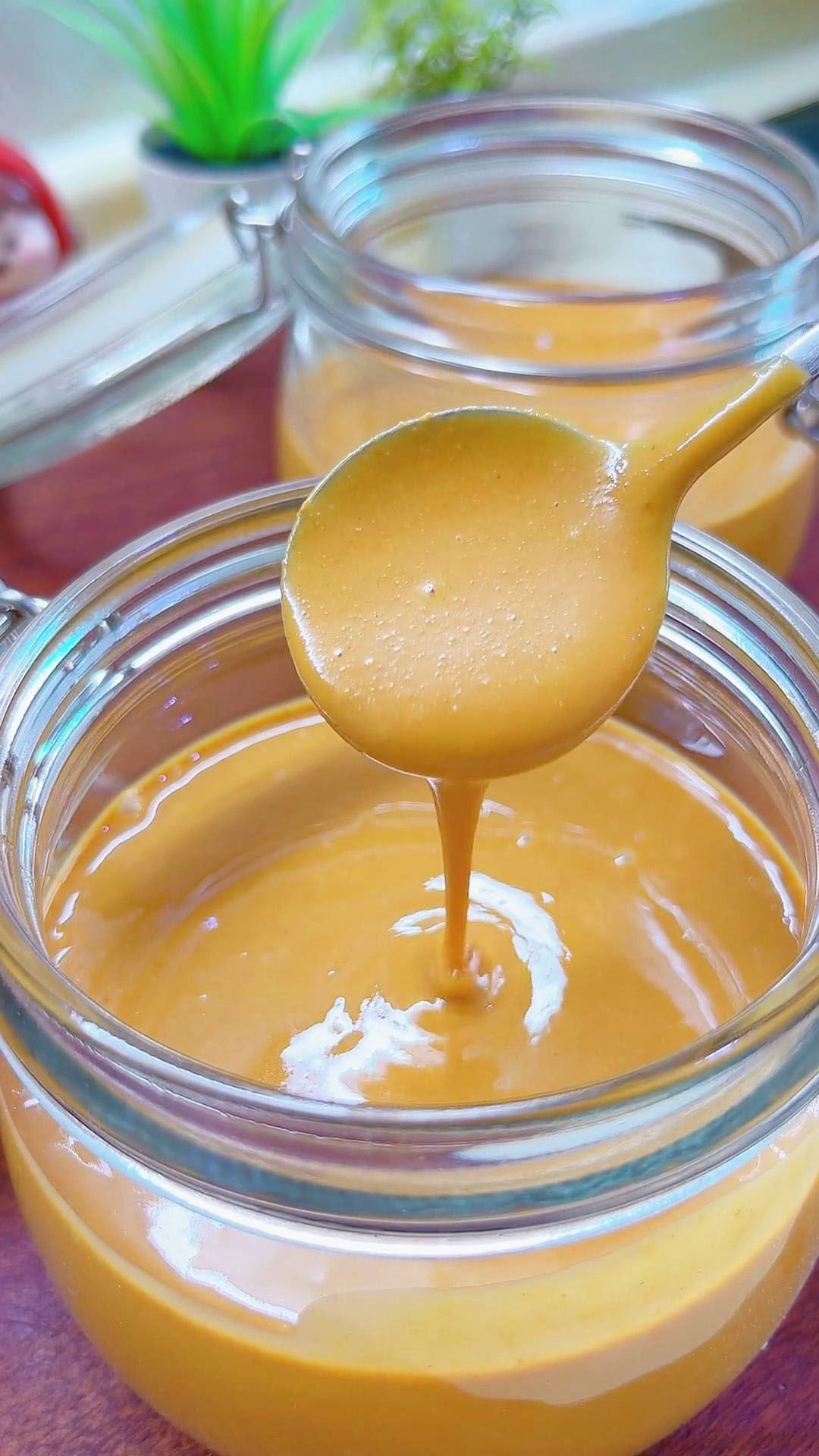
How to use Peanut Butter
You can toss it with noodles for a quick, creamy sauce, bake it into cookies for a rich nutty flavor, or simply enjoy it spread on toast.
One of my absolute favorites is tossing it with wontons.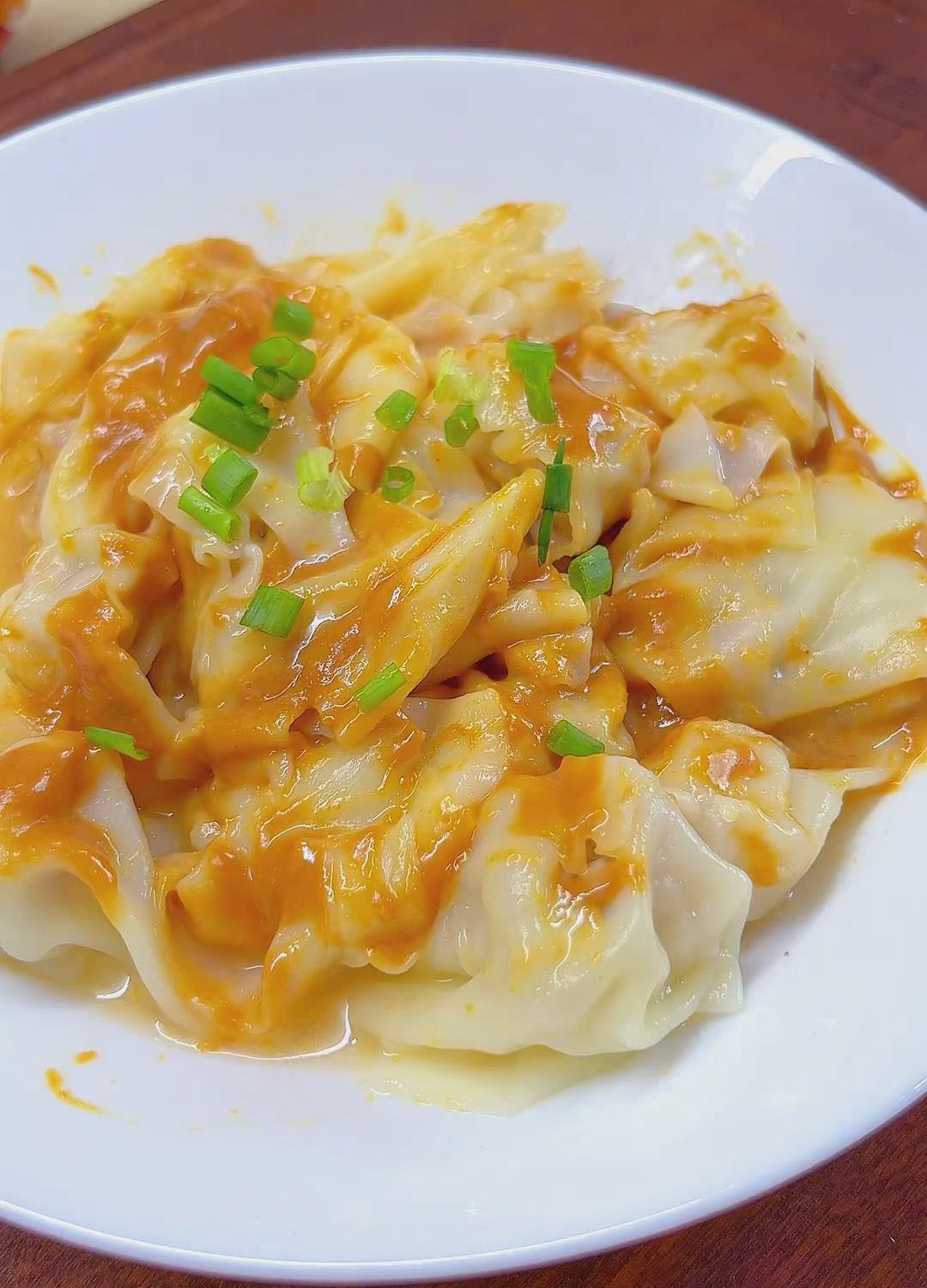
How to Store Peanut Butter
To keep your peanut butter fresh and safe to eat, transfer it into a clean, sterilized, and completely dry airtight container.
This step is crucial to prevent any moisture or bacteria from spoiling it. Always use a clean, dry spoon to scoop it out, as this will help maintain its freshness and flavor for longer. Stored properly in the refrigerator, your homemade peanut butter can last for up to two weeks, though it’s so good, I doubt it’ll last that long!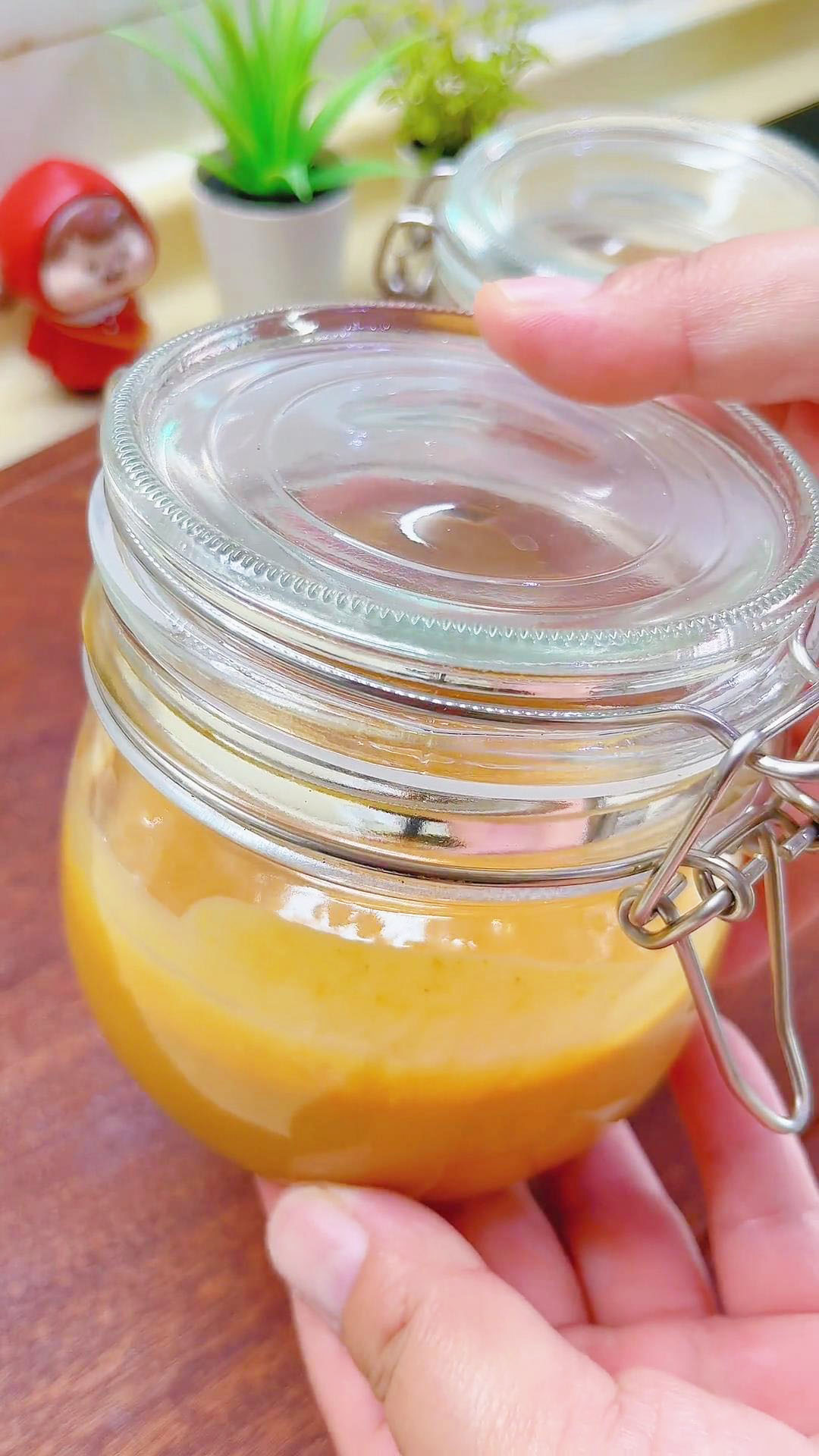
Why You‘ll Love This Recipe
- Fresh and Healthy: No artificial additives or preservatives.
- Customizable Texture: Choose between chunky or silky smooth.
- Simple Ingredients: Made with pantry staples.
- Economical: Costs less than store-bought options.
Ingredients:
- 500g peanuts (preferably large-sized, high oil yield, and easy to peel varieties)
- 40g white sugar
- 6g salt
- 50ml peanut oil or cooked oil (to assist blending)
Instructions:
1. Preprocessing the Peanuts:
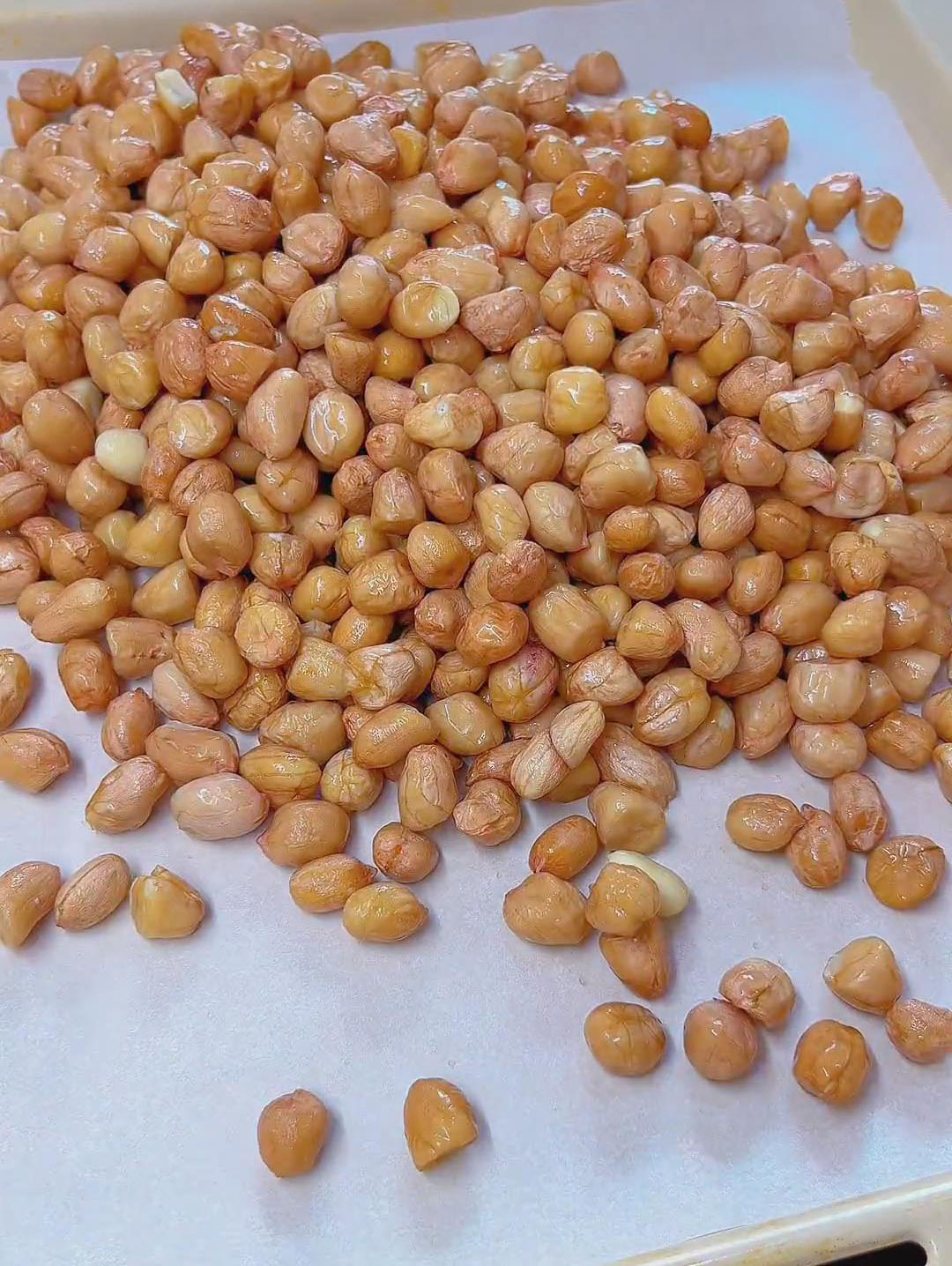
- Rinse 500g of peanuts quickly with water, ensuring not to soak them. Drain immediately after rinsing.
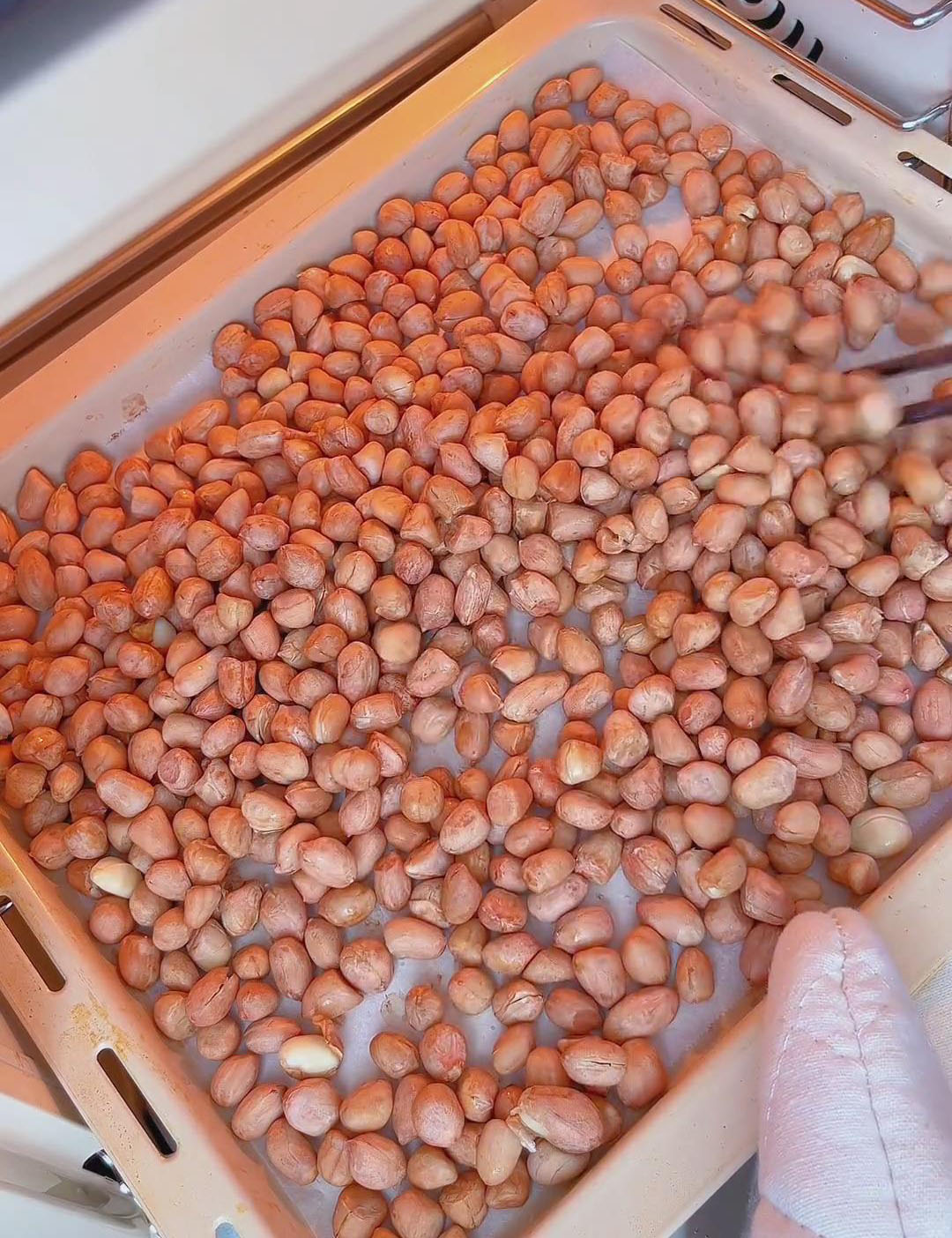
- Spread the peanuts evenly on a baking tray. Bake in an oven at 180°C (top and bottom heat)for 30 minutes. The oven does not need to be preheated. Stir the peanuts with a spatula every 10 minutes to ensure even roasting.
- If you don’t have an oven, use a flat-bottomed pan over low heat. Stir continuously while roasting the peanuts until golden to prevent burning. Burnt peanuts can cause bitterness in the final peanut butter.
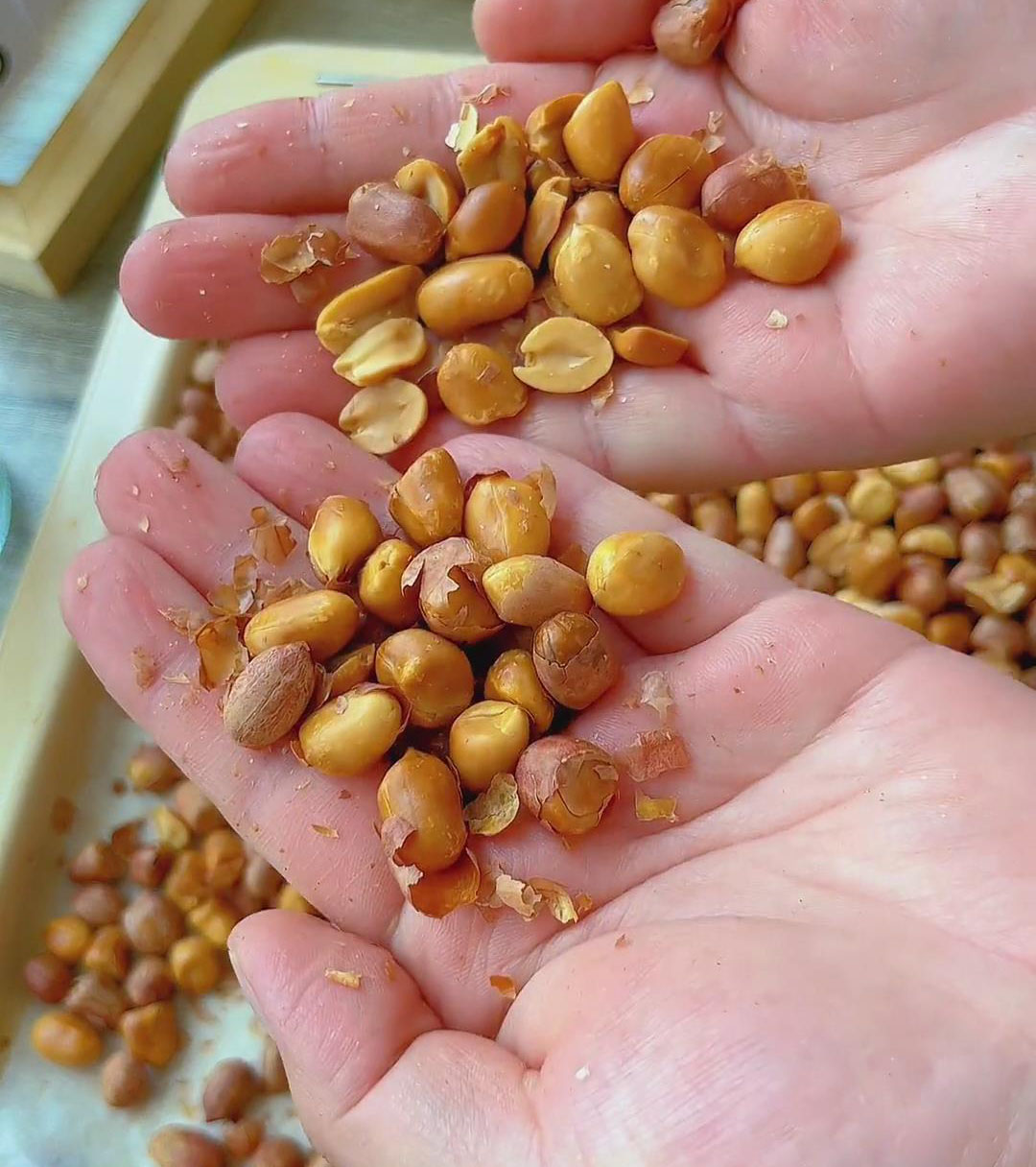
- Once roasted, let the peanuts cool. Gently rub them with your hands to remove their skins, ensuring most of the skins are removed.
2. Blending:
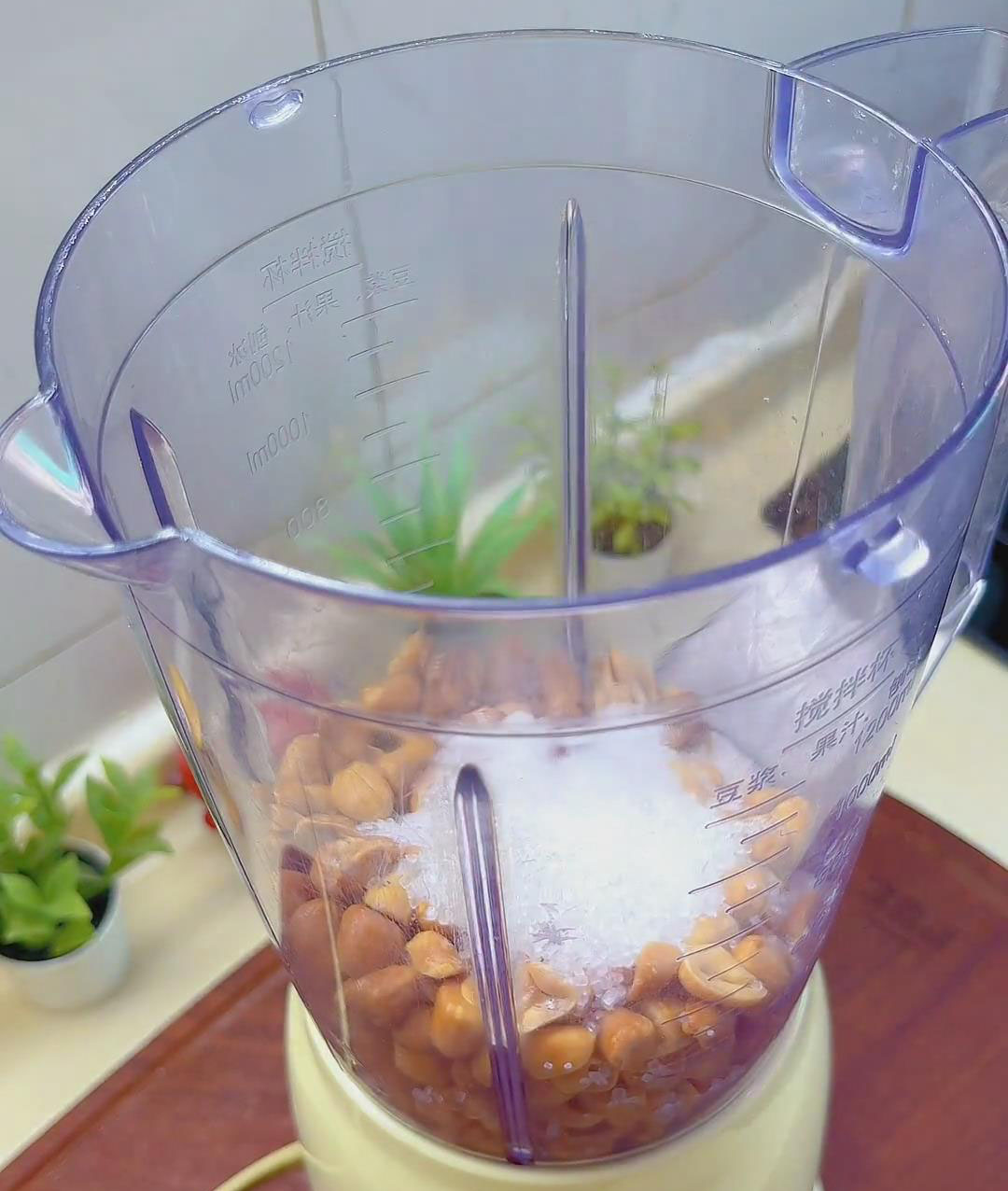
- Place the peeled peanuts into a blender. Add 40g white sugar, 6g salt, and a suitable amount of peanut oil or cooked oil (around 50ml). The oil helps the blending process and creates a smoother texture. Avoid adding too much oil, as it can make the peanut butter too thin.
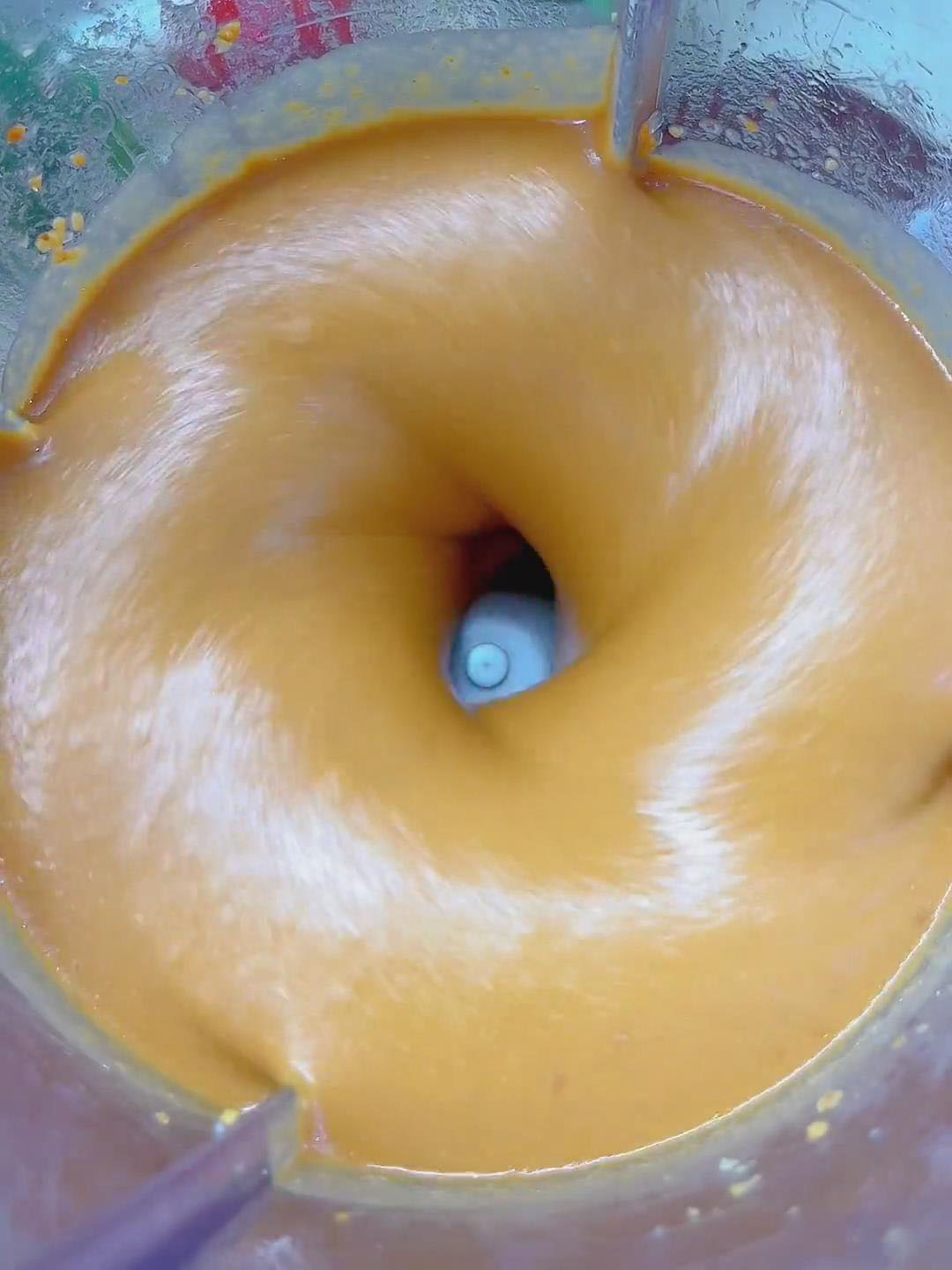
- Start blending at a low speed. If you prefer chunky peanut butter, stop when the peanuts are coarsely ground. For smooth peanut butter, continue blending until it becomes fine and silky.
3. Storage:
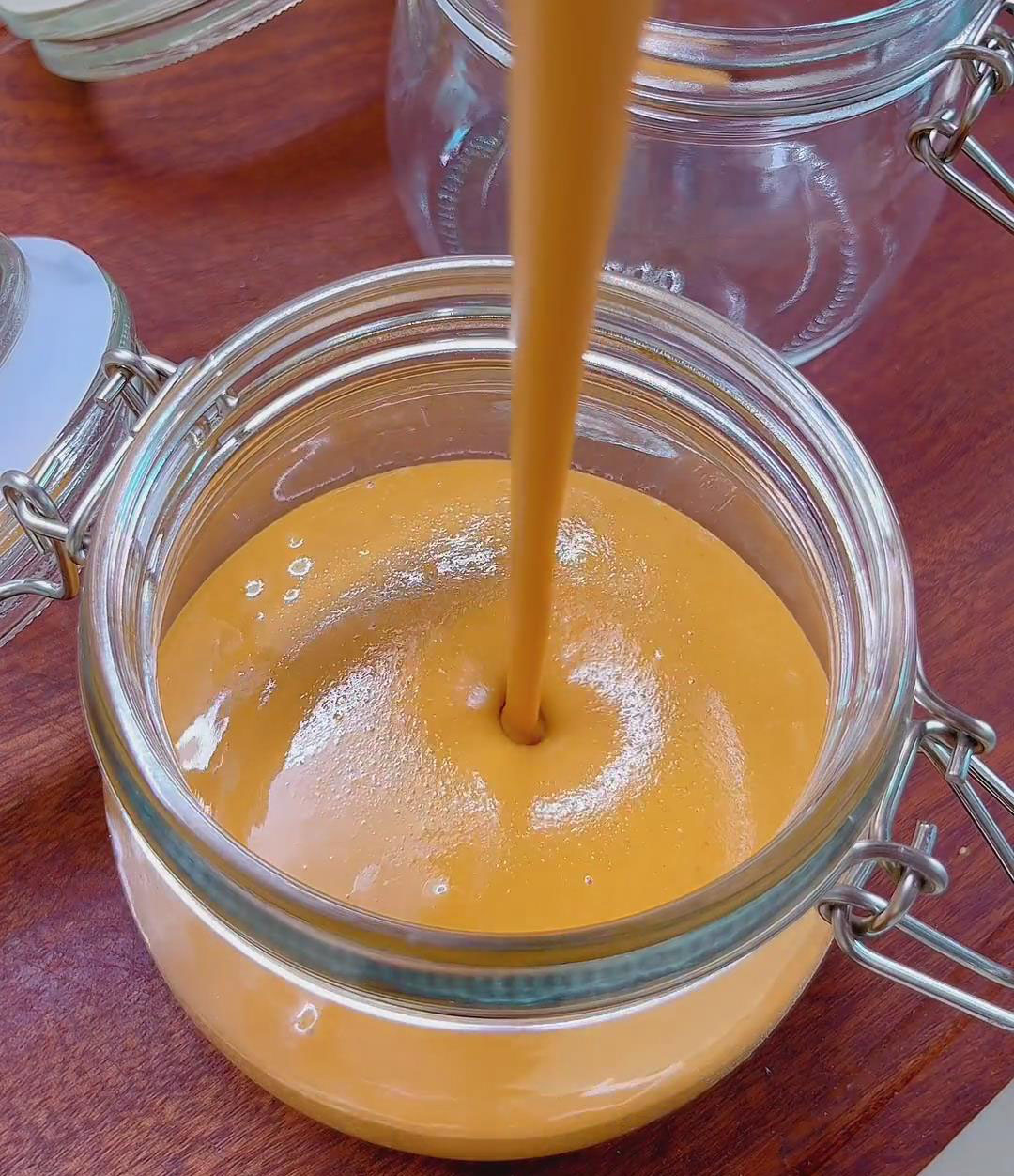
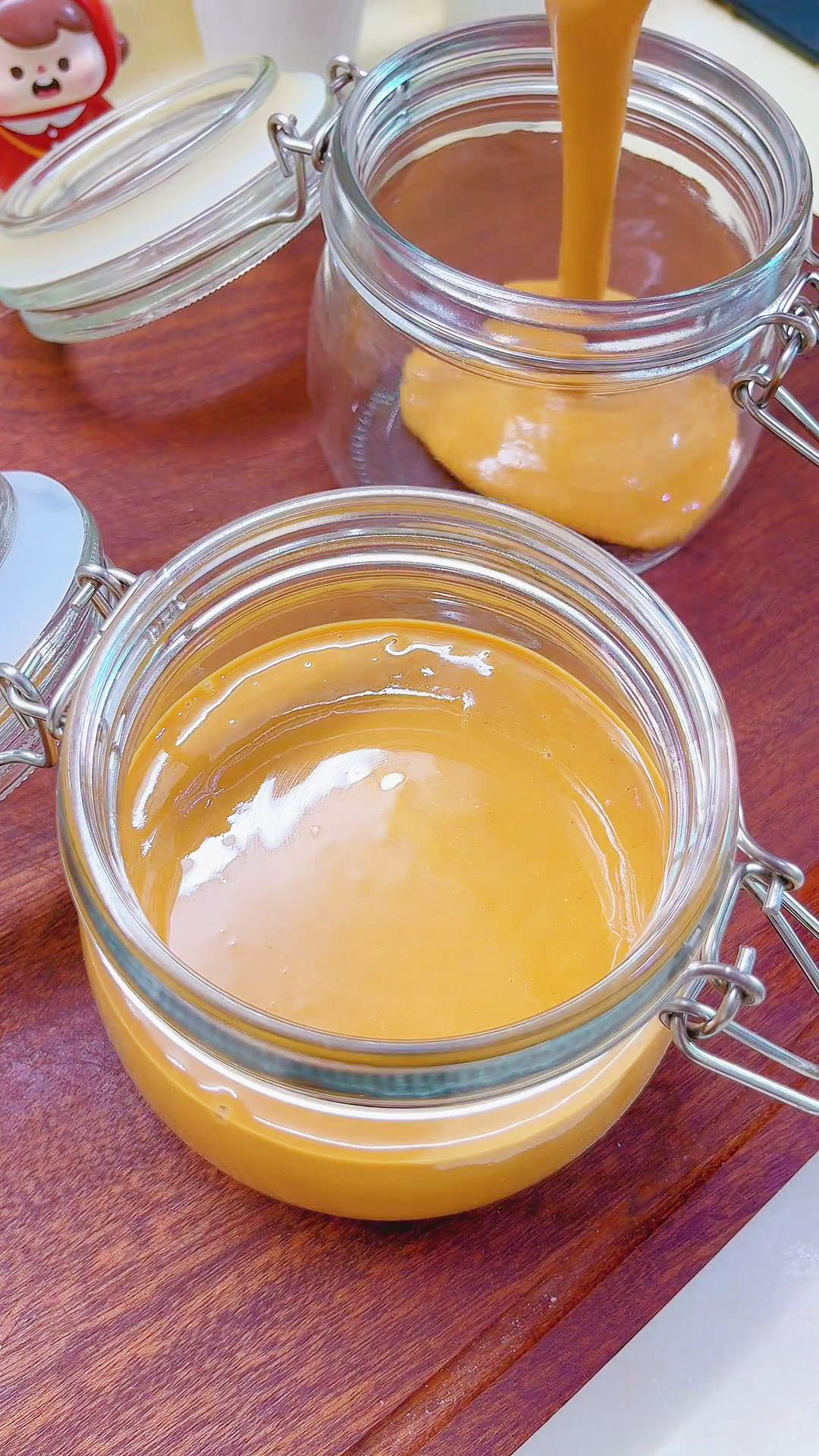
- Transfer the peanut butter into a clean, airtight container. Store it in the refrigerator to maintain its freshness. After each use, reseal and refrigerate promptly to preserve the flavor.
Notes:
- Roasting the peanuts evenly is essential for the best flavor. Stir frequently, whether using the oven or pan, to prevent burning.
- The amount of oil can be adjusted to suit your preferred consistency.
Frequently Asked Questions
- How long does homemade peanut butter last?
Homemade peanut butter can last for up to 2 weeks in the refrigerator if stored in an airtight container. - Can I skip the sugar or salt?
Yes, both sugar and salt are optional. Adjust based on your dietary preferences or leave them out entirely for a natural flavor. - What if I don‘t have peanut oil?
You can use any neutral-flavored oil, like sunflower or vegetable oil, as a substitute. - Can I make this peanut butter with other nuts?
Absolutely! You can follow the same process using almonds, cashews, or even a mix of nuts.Easy Homemade Peanut Butter Recipe
I've always loved the creamy, nutty goodness of homemade peanut butter, and making it myself has been such a rewarding experience. With just a few ingredients and simple steps, you'll never go back to store-bought!Servings: 10Ingredients
- 500 g peanuts preferably large-sized, high oil yield, and easy to peel varieties
- 40 g white sugar
- 6 g salt
- 50 ml peanut oil or cooked oil to assist blending
Instructions
Preprocessing the Peanuts:
- Rinse 500g of peanuts quickly with water, ensuring not to soak them. Drain immediately after rinsing.
- Spread the peanuts evenly on a baking tray. Bake in an oven at 180°C (top and bottom heat)for 30 minutes. The oven does not need to be preheated. Stir the peanuts with a spatula every 10 minutes to ensure even roasting.
- If you don't have an oven, use a flat-bottomed pan over low heat. Stir continuously while roasting the peanuts until golden to prevent burning. Burnt peanuts can cause bitterness in the final peanut butter.
- Once roasted, let the peanuts cool. Gently rub them with your hands to remove their skins, ensuring most of the skins are removed.
Blending:
- Place the peeled peanuts into a blender. Add 40g white sugar, 6g salt, and a suitable amount of peanut oil or cooked oil (around 50ml). The oil helps the blending process and creates a smoother texture. Avoid adding too much oil, as it can make the peanut butter too thin.
- Start blending at a low speed. If you prefer chunky peanut butter, stop when the peanuts are coarsely ground. For smooth peanut butter, continue blending until it becomes fine and silky.
Storage:
- Transfer the peanut butter into a clean, airtight container. Store it in the refrigerator to maintain its freshness. After each use, reseal and refrigerate promptly to preserve the flavor.