
These Traditional Egg Cakes are light, fluffy, and full of nostalgic flavor. The simple ingredients come together beautifully, creating a soft and airy texture with a delicate sweetness.
Soft and Fluffy Traditional Egg Cakes
Egg Cakes? Is there really such a thing as a cake without eggs?
I used to think that every cake could be considered an egg cake—whether it’s Pork Floss Cake, Swiss Roll Cake, or even Air Fryer Cupcakes.
After all, eggs are a key ingredient in most cakes.
But what makes the Egg Cake I made today different is that it doesn’t require egg separation.
Many sponge cakes need you to whip egg whites and yolks separately, which can be tricky for beginners.
This recipe skips that step entirely, making it much easier while still giving you a wonderfully fluffy texture.
Plus, this cake is oil-free and water-free, making it a lighter option. The ingredients are minimal, the method is beginner-friendly, and the result is crispy on the outside, soft and airy inside, and bursting with a rich eggy aroma that fills the whole house.
One of the best things about this recipe is that it’s quick and foolproof. There’s no kneading, no fermentation, and no complicated techniques—just mix, bake, and enjoy. As long as you follow the instructions, you won‘t fail.
However, one important tip is to use a kitchen scale to ensure precise measurements. This small step makes a big difference in achieving a consistent texture.
If you’ve tried my Steamed Sponge Cake, you might have heard people say that sponge cakes tend to collapse after steaming. But that’s not a problem with this recipe!
My children absolutely love cakes like this, so I always make 24 at a time. Of course, you can easily adjust the quantity to fit your needs.

Why You‘ll Love This Recipe
- Light and fluffy– The whipped eggs give these cakes an incredibly airy texture.
- Easy to make– No complicated techniques or fancy equipment needed.
- Naturally flavorful– The eggs provide a rich, delicate taste without needing extra fat or butter.
- Perfect for any occasion– Great for breakfast, tea, or a sweet snack.
Ingredients
Cake Batter (For Two 12-Mold Pans)
- 8 eggs
- 160g granulated sugar
- 240g cake flour
- 5ml lemon juice
- white sesame seeds, as needed
Cake Release Oil
- 20g butter
- 20g corn oil
- 10g cake flour
Instructions
Step 1: Making the Cake Release Oil
- Remove the butter from the fridge and let it soften at room temperature. It should be soft enough to press with a finger and leave an indentation.
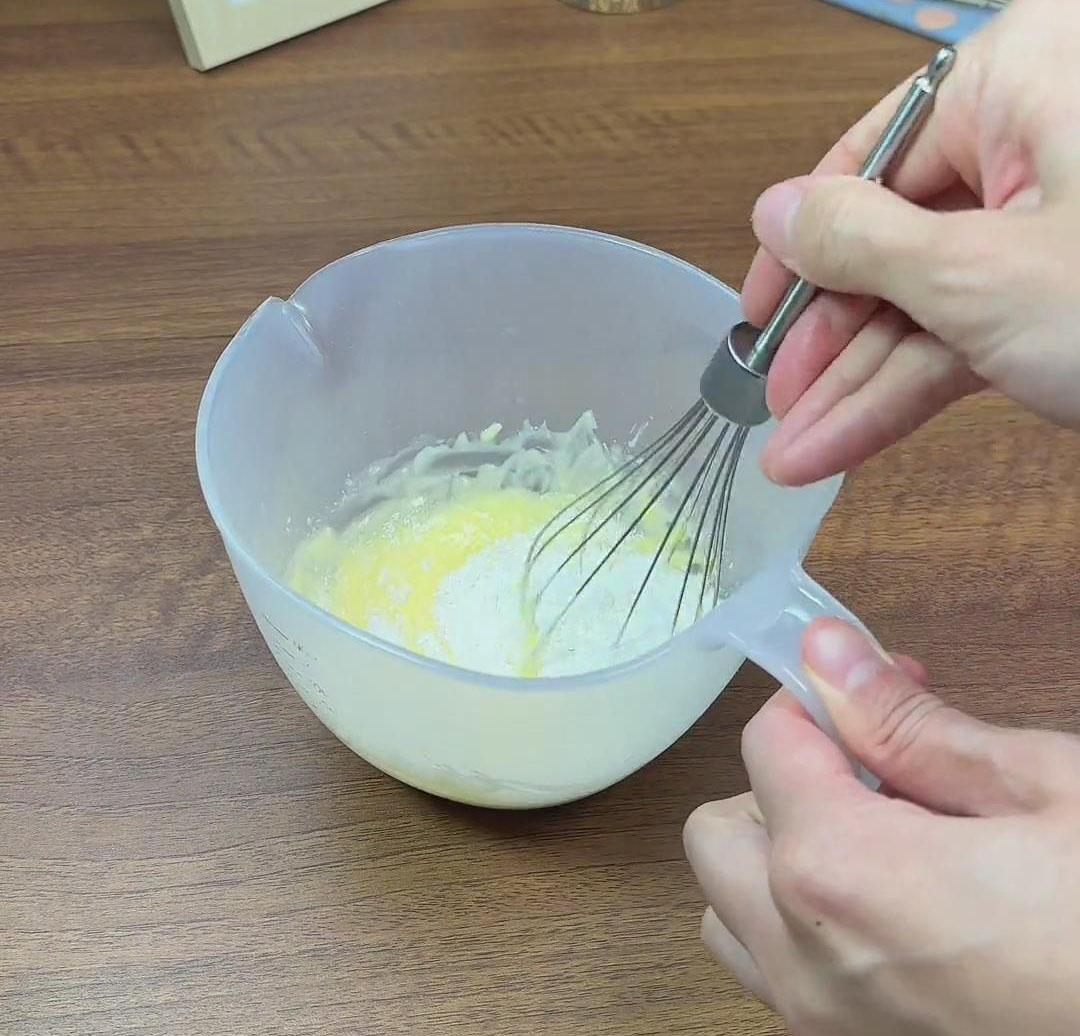
- In a bowl, combine the softened butter and 20g corn oil. Use a whisk or chopsticks to mix until fully blended into a smooth, liquid consistency.
- Add 10g cake flourand continue stirring until fully incorporated. The mixture should be smooth with no dry flour lumps. The cake release oil is now ready.
Step 2: Preparing the Molds
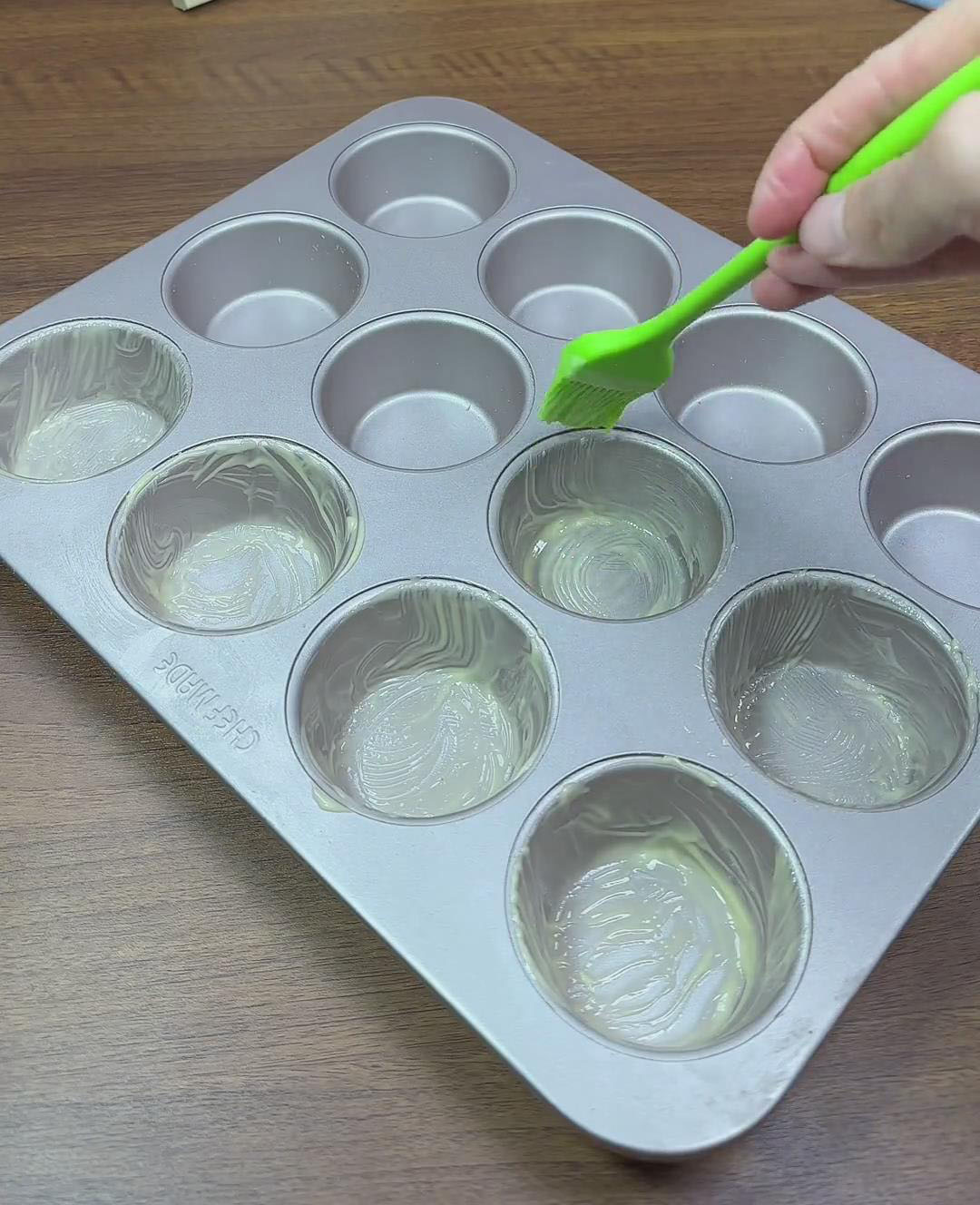
- Use a brush to apply a thin, even layer of cake release oil inside each cavity of the 12-mold baking pan. Ensure the entire surface is coated to make cake removal easier.
- Once coated, set the molds aside.
Step 3: Making the Cake Batter
- Preheat the Oven– Set the oven to 170°C (340°F) and allow it to preheat for 10-15 minutes. Preheating ensures even baking.
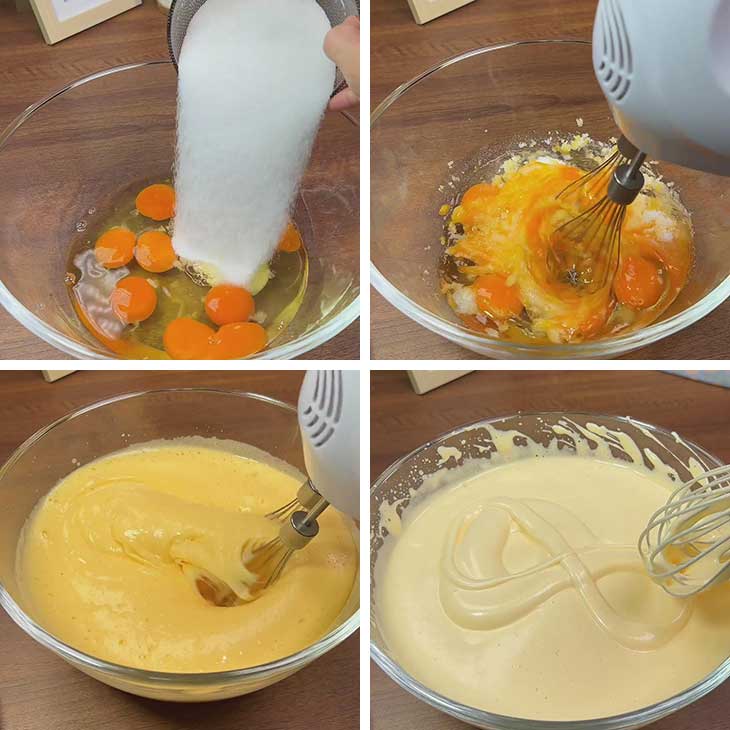
- Whip the Egg Mixture– Crack 8 eggs into a large mixing bowl. Add 160g granulated sugar and 5ml lemon juice.
- Start mixing on low speed to combine the eggs and sugar. This prevents splattering when whipping at high speed.
- Once combined, increase to high speed and whip until the mixture becomes pale, voluminous, and fluffy.
- The batter is ready when you can lift the whisk and draw a figure “8” on the surface, and it stays visible for 3-5 seconds before disappearing.
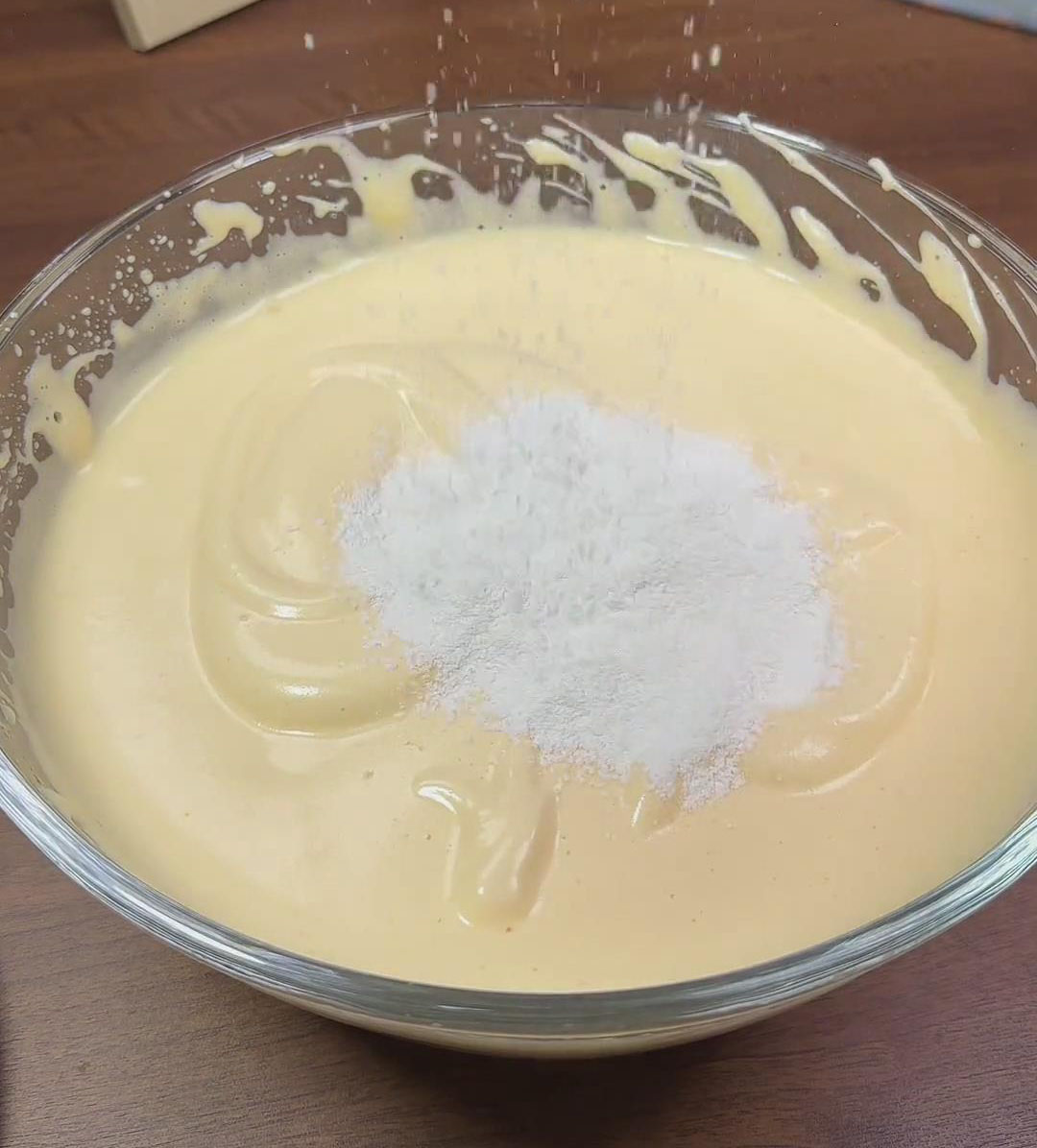
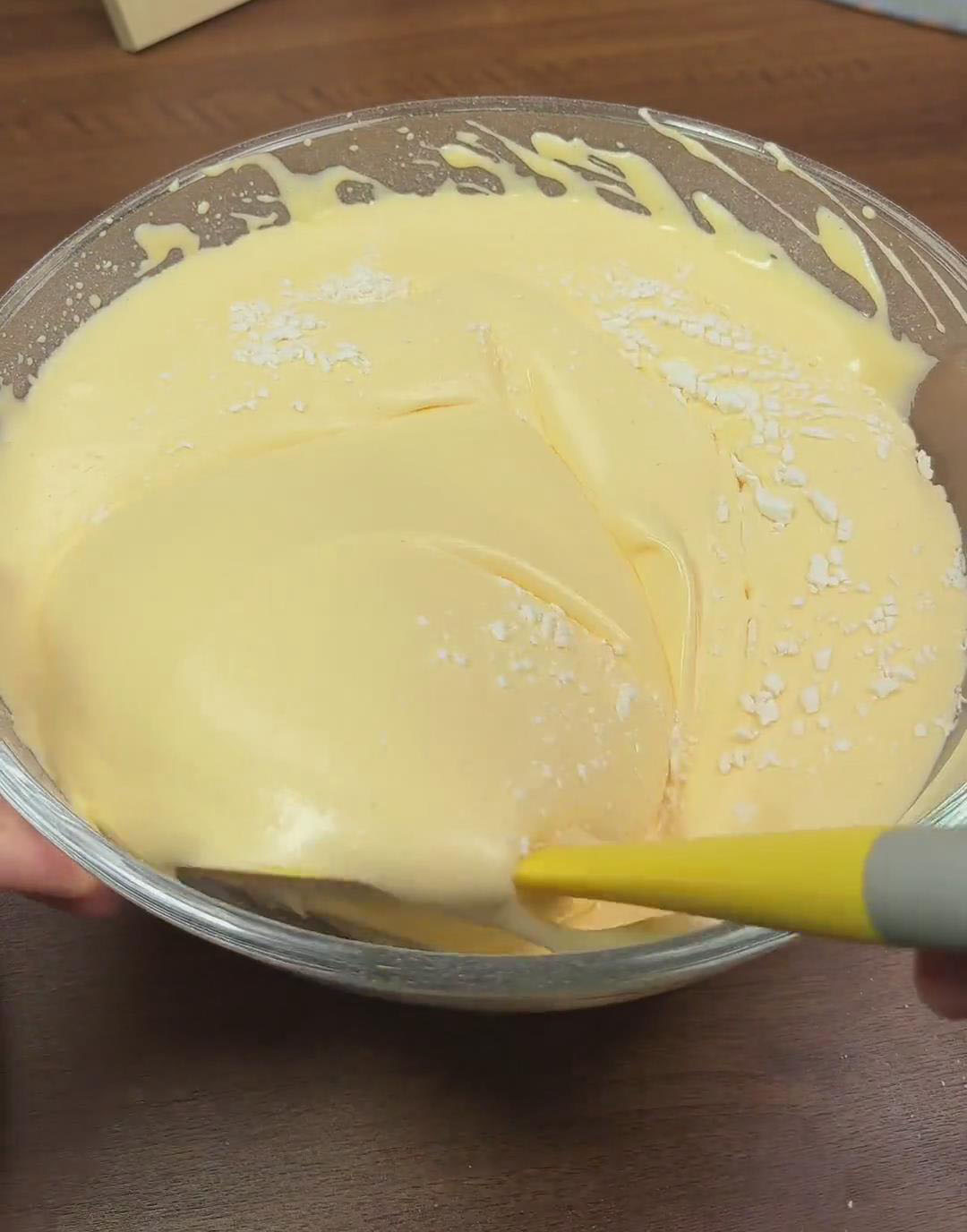
- Incorporate the Flour– Sift 240g cake flour into the whipped egg mixture. Sifting removes lumps and ensures a fine texture.
- Using a silicone spatula, gently fold the flour into the batter using an upward motion while rotating the bowl.
- Mix until no dry flour is visible, but avoid overmixing to maintain the cake’s light texture.
Step 4: Filling and Decorating the Molds
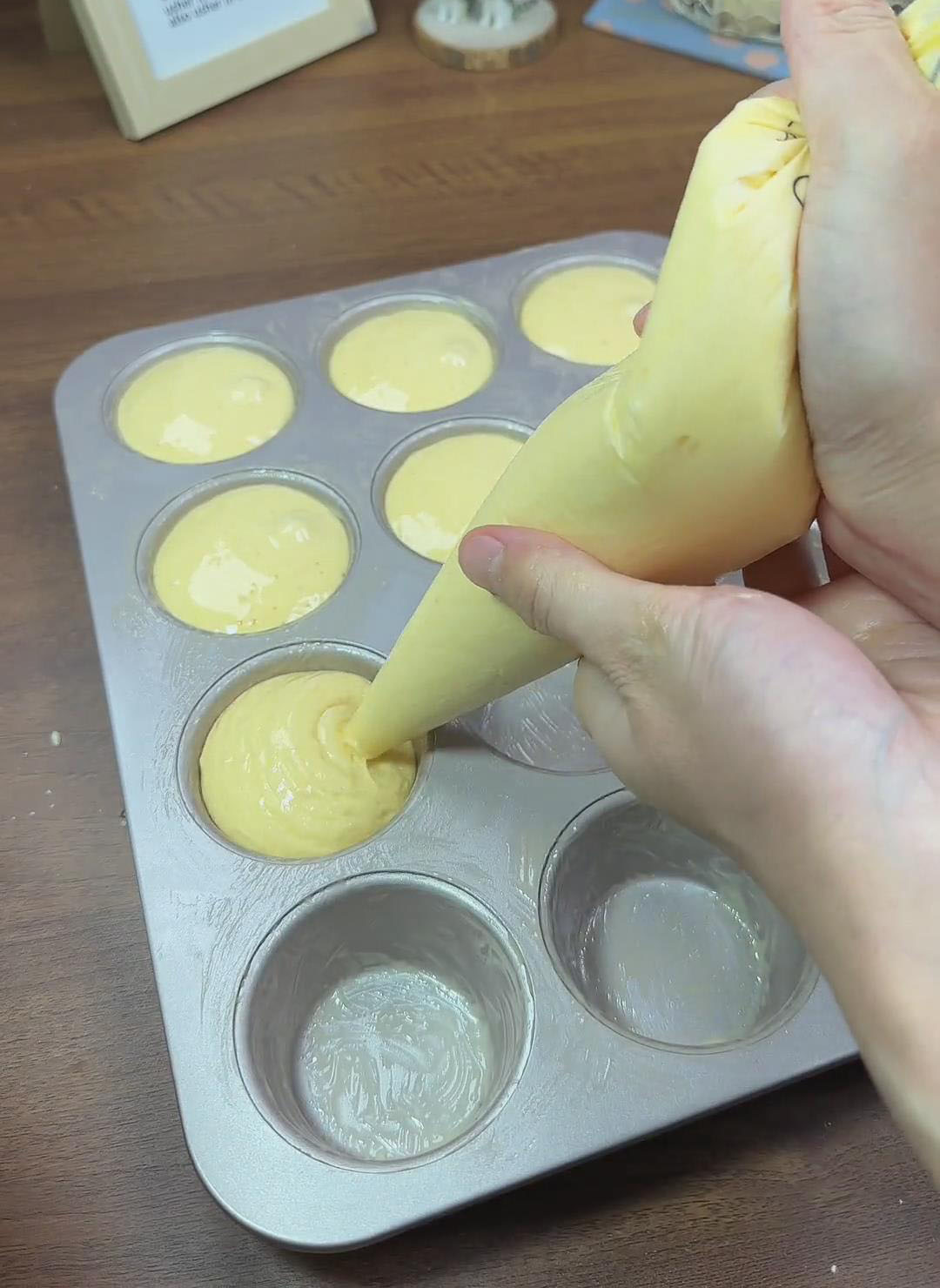
- Transfer the batter into a piping bag. If a piping bag is unavailable, use a plastic bag with a small cut at the tip.
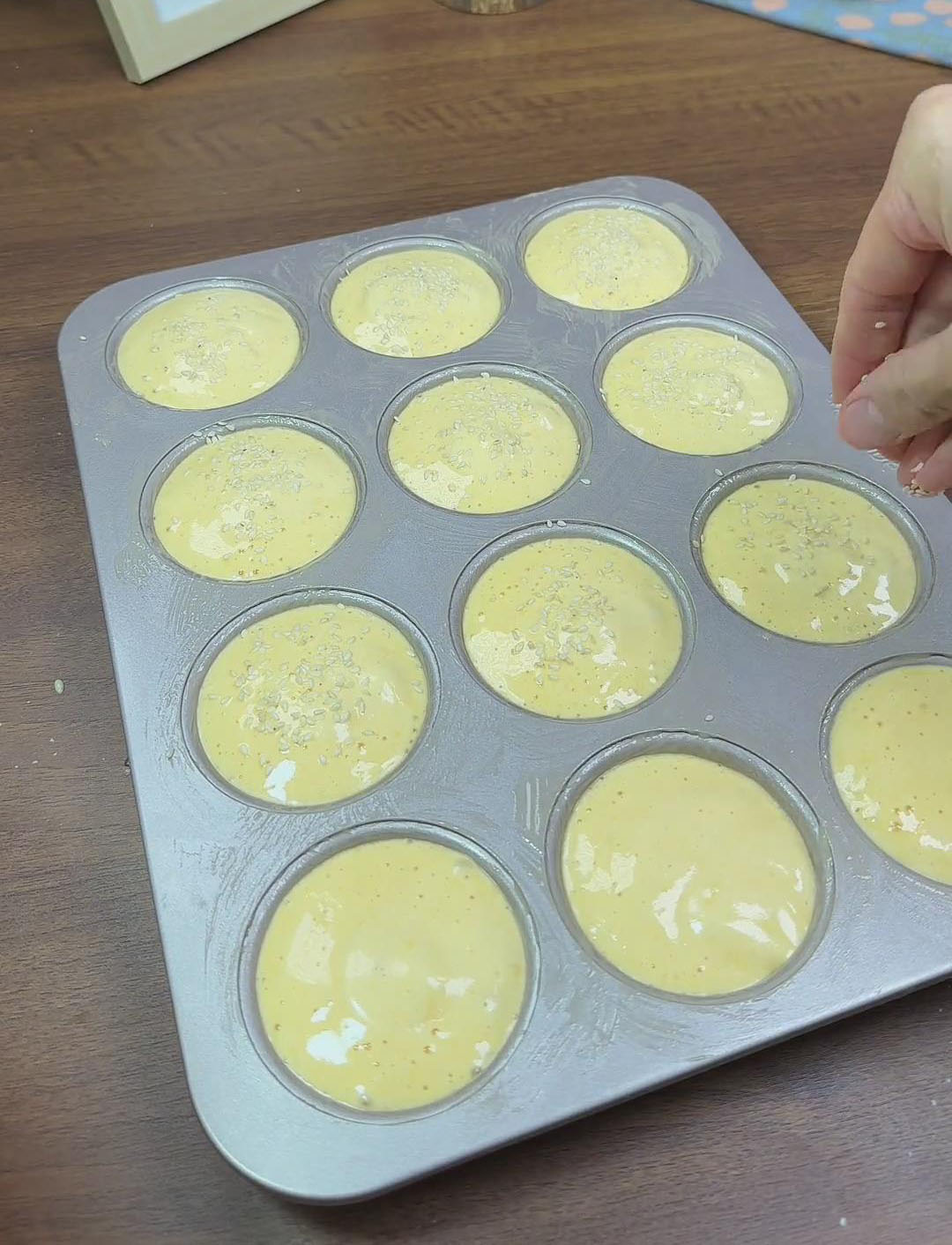
- Pipe the batter into each mold, filling about 90% full. Avoid overfilling, as the cakes will rise during baking.
- Sprinkle a layer of white sesame seeds on top for added aroma and decoration.
Step 5: Baking
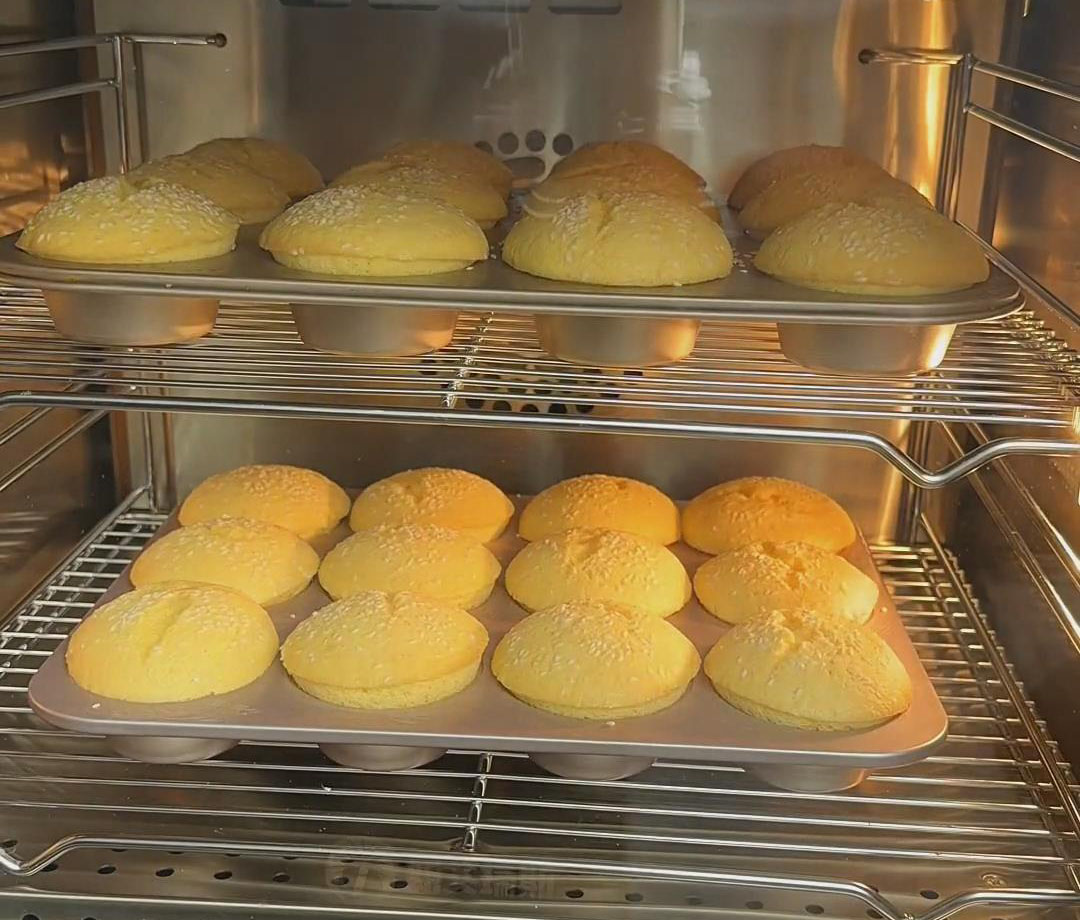
- Place the filled molds into the preheated oven and bake at 170°C (340°F) for 20 minutes.
- Keep an eye on the cakes through the oven door. When the tops turn golden brown and the cakes have risen, they are done. Adjust baking time as needed.
- Once baked, carefully remove the molds from the oven using heat-resistant gloves. Place them on a cooling rack.
- Allow the cakes to cool completely before unmolding. The cakes should easily release when tilted upside down.
Frequently Asked Questions
- What if I don’t have a 12-cup mold?
You can use any baking mold or even a muffin tin. Adjust the baking time slightly if needed. - Do I need a stand mixer to whip the eggs?
A hand mixer works fine, but whipping by hand is difficult and takes much longer. - How do I store these cakes?
Store in an airtight container at room temperature for up to 3 days or refrigerate for up to 5 days. They can also be frozen for up to 2 months. - Can I skip the sesame seeds?
Absolutely! The sesame seeds are optional and mainly for flavor and decoration.No-Fail Egg Cake: Light, Fluffy, and Irresistible
These Traditional Egg Cakes are light, airy, and full of nostalgic flavor. Whipping whole eggs creates a naturally fluffy texture, and a sprinkle of sesame seeds adds a subtle nuttiness. Perfect for breakfast, tea time, or a sweet treat!Servings: 8Ingredients
Cake Batter (For Two 12-Mold Pans)
- 8 eggs
- 160 g granulated sugar
- 240 g cake flour
- 5 ml lemon juice
- white sesame seeds as needed
Cake Release Oil
- 20 g butter
- 20 g corn oil
- 10 g cake flour
Instructions
Step 1: Making the Cake Release Oil
- Remove the butter from the fridge and let it soften at room temperature. It should be soft enough to press with a finger and leave an indentation.
- In a bowl, combine the softened butter and 20g corn oil. Use a whisk or chopsticks to mix until fully blended into a smooth, liquid consistency.
- Add 10g cake flourand continue stirring until fully incorporated. The mixture should be smooth with no dry flour lumps. The cake release oil is now ready.
Step 2: Preparing the Molds
- Use a brush to apply a thin, even layer of cake release oil inside each cavity of the 12-mold baking pan. Ensure the entire surface is coated to make cake removal easier.
- Once coated, set the molds aside.
Step 3: Making the Cake Batter
- Preheat the Oven– Set the oven to 170°C (340°F) and allow it to preheat for 10-15 minutes. Preheating ensures even baking.
- Whip the Egg Mixture– Crack 8 eggs into a large mixing bowl. Add 160g granulated sugar and 5ml lemon juice.
- Start mixing on low speed to combine the eggs and sugar. This prevents splattering when whipping at high speed.
- Once combined, increase to high speed and whip until the mixture becomes pale, voluminous, and fluffy.
- The batter is ready when you can lift the whisk and draw a figure “8” on the surface, and it stays visible for 3-5 seconds before disappearing.
- Incorporate the Flour– Sift 240g cake flour into the whipped egg mixture. Sifting removes lumps and ensures a fine texture.
- Using a silicone spatula, gently fold the flour into the batter using an upward motion while rotating the bowl.
- Mix until no dry flour is visible, but avoid overmixing to maintain the cake's light texture.
Step 4: Filling and Decorating the Molds
- Transfer the batter into a piping bag. If a piping bag is unavailable, use a plastic bag with a small cut at the tip.
- Pipe the batter into each mold, filling about 90% full. Avoid overfilling, as the cakes will rise during baking.
- Sprinkle a layer of white sesame seeds on top for added aroma and decoration.
Step 5: Baking
- Place the filled molds into the preheated oven and bake at 170°C (340°F) for 20 minutes.
- Keep an eye on the cakes through the oven door. When the tops turn golden brown and the cakes have risen, they are done. Adjust baking time as needed.
- Once baked, carefully remove the molds from the oven using heat-resistant gloves. Place them on a cooling rack.
- Allow the cakes to cool completely before unmolding. The cakes should easily release when tilted upside down.
